Serbia Votes as Vucic's Party Faces Challenge From Student Movement
Seven Lights
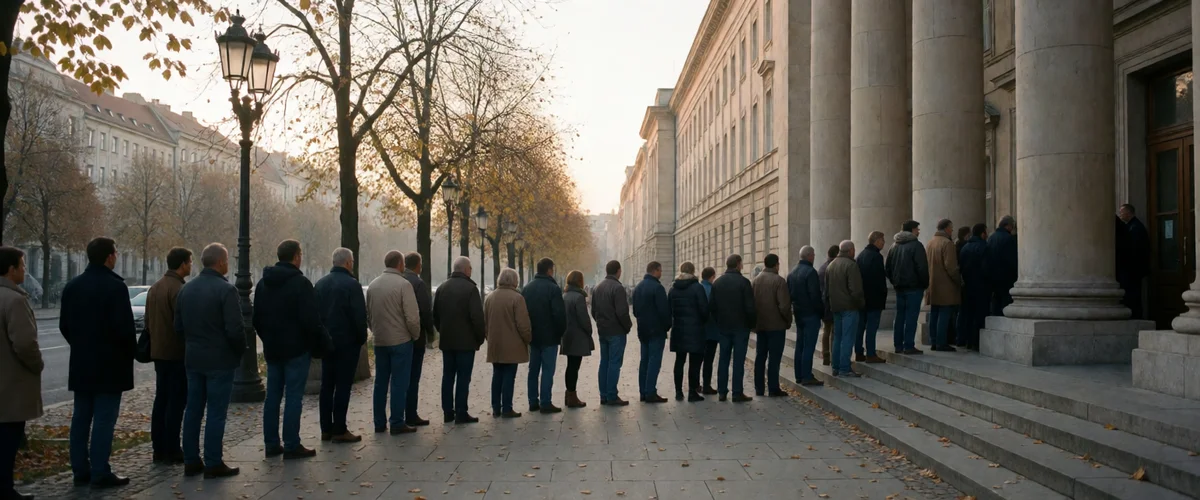
Serbia went to the polls on Sunday in a parliamentary election that has become the most uncertain of the 14 years in which Aleksandar Vucic’s Serbian Progressive Party has dominated the country’s politics. Some 6.4 million voters chose among 18 parties competing for 250 seats in the National Assembly. Polling placed the governing party and the opposition Students’ List neck-and-neck.
The Students’ List grew out of nearly two years of student-led protests that followed the collapse of a renovated canopy at the Novi Sad railway station on November 1, 2024, in which 16 people died. Demonstrators alleged corruption at the construction site, a flagship public project carried out with Chinese contractors. The government denied the charges, and the protests were repeatedly met with police violence and arrests. RFE/RL’s Balkan Service reported that authorities were accused of deploying an unlawful sonic weapon against demonstrators on March 15, 2025.
Mr. Vucic announced in June that he would step down and back early elections. He resigned the presidency in late September and, barred by term limits from seeking it again, now seeks the office of prime minister, which he held from 2014 until 2017.
The youth movement has no formal leader and has put forward candidates drawn from the professions rather than politics. Ilija Srdanovic, a cardiologist, stands as the list’s top candidate. Students who selected the candidates said their absence of political backgrounds was a strength rather than a weakness.
Concern for the fairness of the vote shadowed the campaign. RFE/RL found some 500,000 people registered to vote without a full address, raising fears of fraud. International and local monitors cited detentions, near-total government control over the media, and reports of surveillance and cyberattacks against activists. The observation mission for the 2023 parliamentary election noted an overwhelming ruling-party advantage from media bias and misuse of public office. Serbia is a candidate for European Union membership, and the bloc is watching the conduct of the vote closely.
Turnout was expected to be high, a development that could push smaller parties below the three percent threshold required to win seats and narrow the assembly contest to the two leading camps. A victory for the Students’ List would resonate beyond Serbia’s borders, coming as youth-led protest movements have pressed incumbent governments elsewhere in Europe. Results were expected late Sunday.