Altman Calls Consumer RAM Holdings 'Terrible' as DRAM Runs Short
Seven Lights
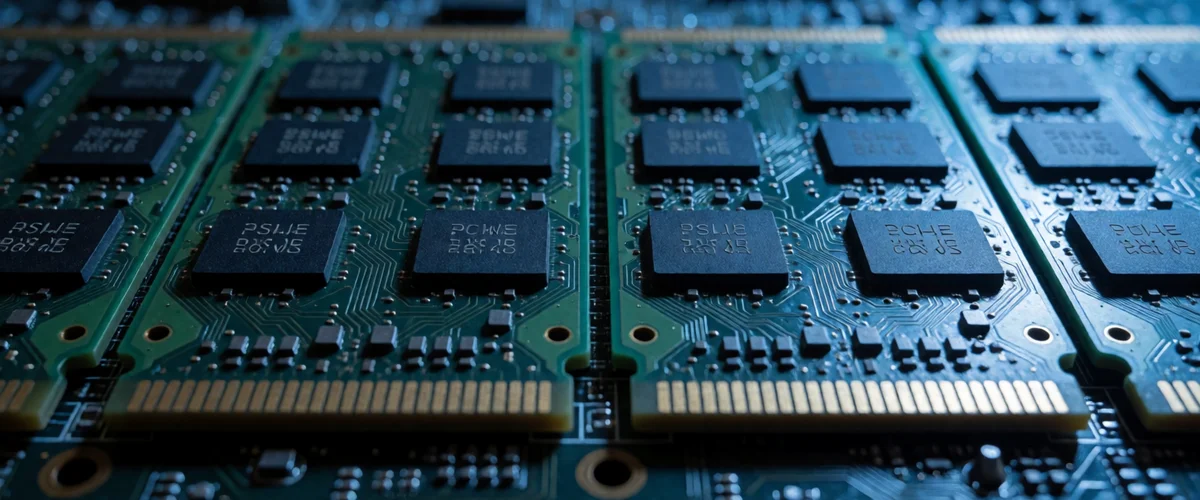
Sam Altman, the chief executive of OpenAI, said it is “quite terrible” for individuals to hold a share of the world’s limited supply of DRAM in their own computers, remarks that drew sharp attention to the memory shortage squeezing the electronics industry.
Speaking in a podcast interview with the YouTube channel Cheeky Pint, Mr. Altman argued that personal machines leave much of the world’s memory idle. “A lot of people want local inference, want to run models on their computers, and so we’re not going to need all the stuff in the data center,” he said, according to Engadget. “But from a global allocation perspective, actually, it’s quite terrible to have everybody have a bunch of the world’s limited supply of DRAM sitting in their own computer and being used 5% of the time.”
He continued: “You want maximum utilization in the cloud if you’re trying to deal with this very supply-constrained environment. And somehow many people’s intuition is the opposite of that.”
The remarks land in a market under real strain. Artificial-intelligence data centers have absorbed so much of the world’s memory output that prices for DRAM modules, and for the devices containing them, have risen sharply. Gizmodo noted the squeeze is already passing into consumer products, and TechRadar reported that Mr. Altman framed the shortage as an argument for concentrating memory in cloud facilities rather than distributing it across personal hardware.
Critics read the argument as self-serving. Gizmodo observed that the allocation Mr. Altman prefers is the one favorable to his own industry: memory makers devoting still more capacity to OpenAI’s planned infrastructure buildout, reported at some $750 billion through 2030, while consumers route more of their computing to rented services. OpenAI’s spending is itself among the forces lifting DRAM prices, including for smartphones.
The remarks were made in jest at points in the interview, but the underlying shortage is not. Memory makers have signalled that capacity will take years to expand materially, and device makers have begun pricing for it. Mr. Altman gave no indication his company would ease its own procurement.