Intel Shares Fall 29 Per Cent, Worst Single Day Since the 1970s
Seven Lights
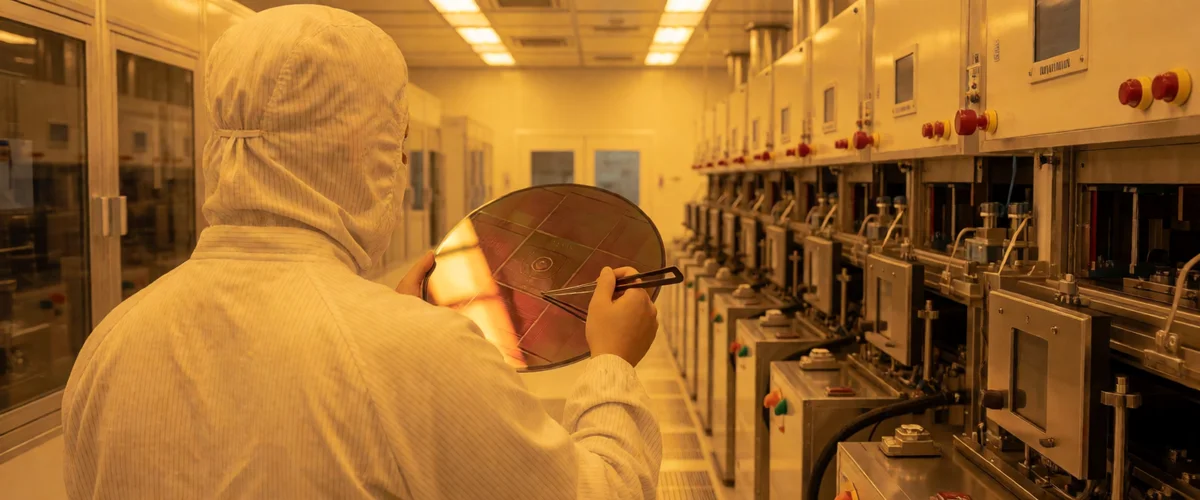
Intel shares fell 29 per cent on Friday, the stock’s worst single day since the 1970s, after the chipmaker issued a revenue outlook below Wall Street expectations, capping its steepest decline since 1974 and erasing roughly $140 billion in market value in a session.
The company guided to weaker results on what it described as a soft market for personal computer chips and disruption from plant shutdowns in Israel, where Intel operates fabrication facilities. Bloomberg reported the outlook was hurt by weak demand for PC processors; MarketWatch reported that elevated memory chip prices were dampening PC demand and that corporate information technology budgets were under pressure.
The result is a setback for chief executive Lip-Bu Tan, hired in March 2025 to restore the company’s standing in an industry that has moved toward the processors powering artificial intelligence, a market Intel largely missed. The company has been restructuring its factory network and cutting costs through the year.
The government stake compounds the loss. Washington took a 10 per cent equity interest in Intel a little over a year ago; CNBC reported that the value of the holding fell by about $12 billion on Friday, though it remains profitable.
The selloff was not confined to Intel. Shares of Amazon also fell after a disappointing earnings report, and Nvidia dropped 4.2 per cent amid renewed doubts about the pace of artificial intelligence spending. The S&P 500 recorded its worst day since June. Fortune reported Intel’s decline at 28.6 per cent, its worst since 1974.
Analysts said the guidance struck at the durability of Intel’s turnaround rather than a single quarter. The company’s core PC business now faces a double squeeze: memory costs that push up the price of computers just as buyers defer upgrades, and a data-center and AI market led by rivals. Intel’s next test comes at its next earnings report, when investors will look for evidence that the foundry restructuring and cost cuts are taking hold.