Newsom commutes all 548 California death sentences to life in prison
Seven Lights
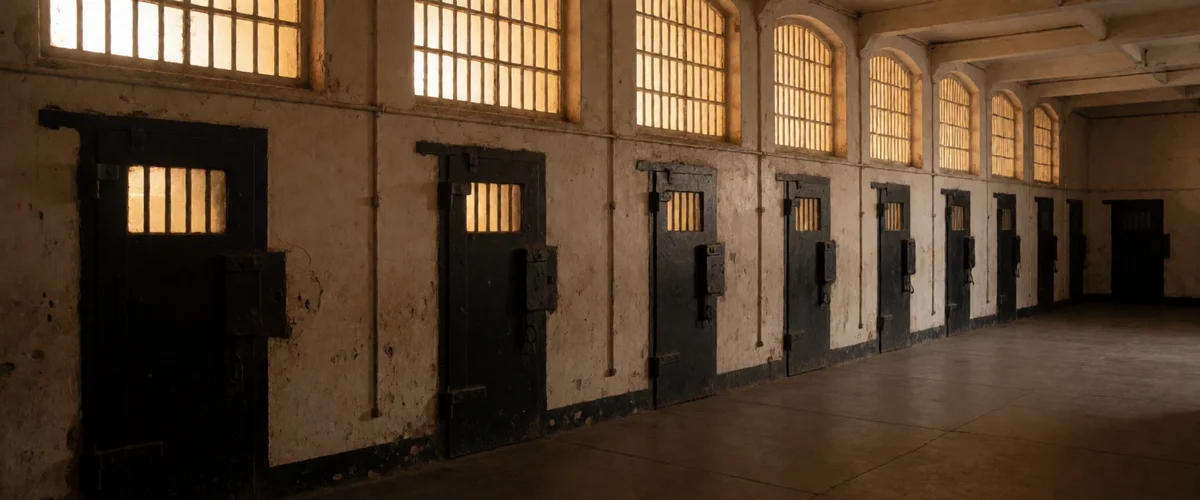
California Governor Gavin Newsom announced Thursday that he will commute all 548 death sentences in the state to life without parole. The mass clemency would empty the largest death row in the Western Hemisphere and is the largest of its kind in United States history.
The grants cover 529 men and 19 women and would reduce the national death-row population by more than a quarter. “I take this action because I firmly believe that state-sanctioned killing is incompatible with California’s values, undermines the foundations of our legal system, and diminishes each of us,” Mr. Newsom wrote in a letter announcing the decision. He called it “among the most difficult of my career.”
The commutations honor a moratorium Mr. Newsom declared shortly after taking office in 2019, which reprieved 737 prisoners. California has carried out no execution since 2006, and voters rejected measures to end capital punishment in 2012 and 2016. State officials noted that 220 of the 548 had waited 15 years or more for the court-appointed habeas counsel they are entitled to, and 139 had waited more than 20 years. Without the moratorium, 45 prisoners would have exhausted their appeals and become eligible for execution.
The governor cannot act alone in every case. Prisoners with multiple felony convictions require approval from the California Supreme Court before their sentences can be reduced, a review Mr. Newsom acknowledged will take time. The commutations do not end the death penalty as a matter of law, though they leave no one under sentence of death in the state. Governor-elect Xavier Becerra has indicated he would extend the execution moratorium when he takes over in the coming months.
The decision drew praise from the American Civil Liberties Union, which had pressed the governor for clemency since President Biden commuted the sentences of 37 federal prisoners in 2024. North Carolina’s governor, Roy Cooper, commuted 15 death sentences that same year.
Mr. Newsom, term-limited and widely counted as a probable candidate for president in 2028, made the announcement in the final months of his governorship, a timing his critics called political and his allies called the closing of a decade-long policy fight. The State Supreme Court’s review of the multi-felony cases, and any legal challenge to the grants, will decide how quickly the state’s death rows stand emptied.