Boeing cuts about five per cent of commercial airplane workforce
Seven Lights
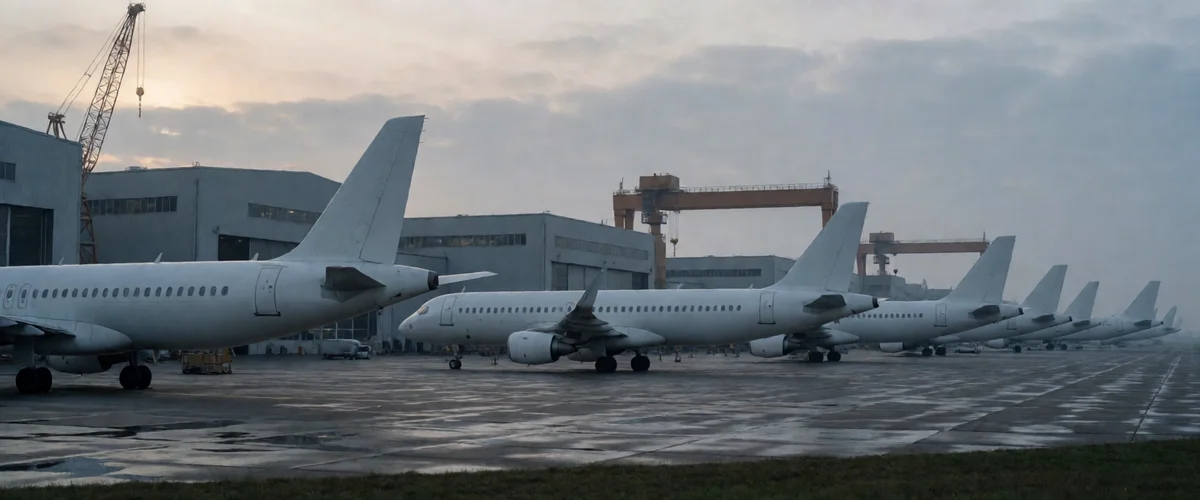
Boeing will cut about five per cent of its commercial airplane workforce, according to a memo sent to employees Monday, a combination of attrition and involuntary layoffs that begins with notifications in December.
Stephanie Pope, head of Boeing’s commercial airplane business, wrote that slowing the pace of production increases would give the company’s factories and supply-chain partners additional time to reach stability. “Adjusting our production schedules and reducing aircraft output puts us in an overstaffed position,” the memo said. “Unfortunately, that means we need to align our staffing levels to our revised business plan.”
The decision follows disclosures on a conference call in late October in which Boeing said it would no longer meet its target for 2026 deliveries and had pushed back the timeframe for lifting 737 MAX production to 52 aircraft per month from 47 until the second half of 2027. Chief Executive Kelly Ortberg cited the need for greater predictability in wing production and in the manufacture of fuselages at the company’s Kansas operation. “We’re making progress, but we still have more work to do, and I’m expecting it’ll take us into next year to get fully stable at this rate,” he said.
Boeing did win US certification this year for the long-delayed 737 MAX 7 and MAX 10 variants, a measure of progress after years of grounding and oversight. “While we have made substantial progress, we have not yet fully recovered,” Ms. Pope wrote, promising to treat departing employees with “dignity and respect.”
The company has carried heavy losses since two MAX crashes, in 2018 and 2019, that killed 346 people and exposed defects in design, manufacturing and oversight. Raising MAX output has been viewed by investors as central to revenue and profit growth after a long period of financial losses.
Slower deliveries leave Boeing carrying more workers than the current build rate requires, the position the memo said the cuts are meant to correct. The company had already reduced corporate staff earlier this year.