Ti West's 'Christmas Carol' Finds Critics Cold Despite Depp's Turn
Seven Lights
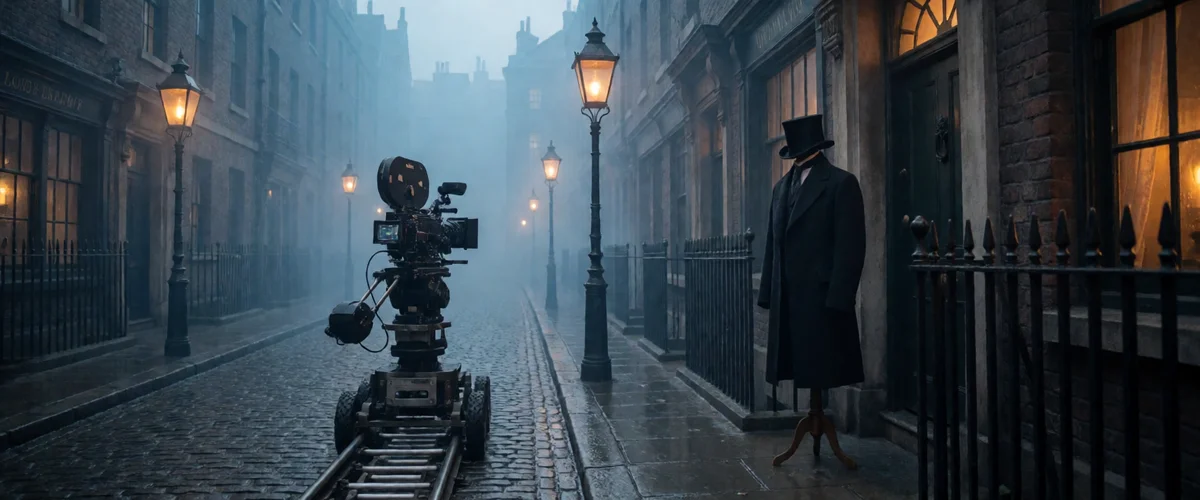
Critics published reviews on Thursday for “Ebenezer,” Paramount Pictures’ adaptation of Charles Dickens’s 1843 novella “A Christmas Carol,” directed by Ti West with Johnny Depp as Ebenezer Scrooge, and the prevailing verdict was that the film is faithful to a fault.
The Playlist called it “a punishingly dull, wholly unnecessary Dickens adaptation.” IndieWire’s review said Depp was “absolutely insufferable” in “a dull and dreary Christmas Carol,” writing that his “muggy performance torpedoes the whole thing from the start.” SlashFilm titled its review “Johnny Depp Neither Helps Nor Hurts This Passionless Retelling.” The ghosts in the film are “especially ghastly and eerie,” SlashFilm wrote, and the picture has “a Victorian London by way of ’70s British films feel to it, like if Ronald Neame’s ‘Scrooge’ was mashed up with West’s ‘The Innkeepers.’”
The film, written by Nathaniel Halpern, keeps the novella’s structure, dividing itself into five staves and retaining the bulk of Dickens’s dialogue, and adds horror-flavored flourishes around the hauntings. Ian McKellen appears as Jacob Marley, whose face surfaces in a door handle.
IndieWire wrote that the picture “seems to exist on Depp’s shoulders for better or worse,” a choice that leaves it “technically competent but ultimately confused.” The role “blatantly conjures up” Depp’s past collaborations with Tim Burton, a director who once drew “truly bizarre character choices” from him. SlashFilm found his performance “largely grounded” but not “fully realized,” “fine on paper” and “more calibrated than inspired.” The Playlist noted the baggage the actor brings, in the reviewer’s phrase “the considerable issue of his offscreen life.”
Paramount’s marketing promised a Scrooge “we’d never seen before.” The embellishments in fact lie mostly in a few small supporting characters revealed to be con artists, and the central journey from miser to penitent follows the familiar path.
The release arrives in the season when the story is most revived, and the critics’ reception leaves its case to the audience that still turns out for the tale.