Critics Split on Fincher's 'Cliff Booth' Sequel to Tarantino's Hollywood
Seven Lights
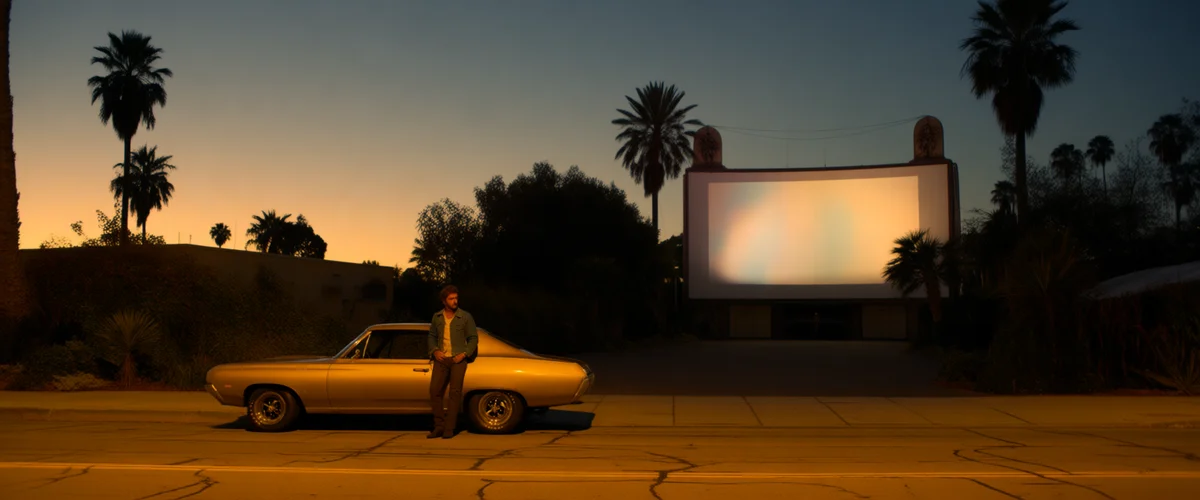
Reviews are in for “The Further Mis-Adventures of Cliff Booth,” in which David Fincher directs a Quentin Tarantino screenplay continuing the story of Brad Pitt’s stuntman from “Once Upon a Time… In Hollywood.” Critics divided sharply, from an embrace of its atmosphere to a verdict of misfire.
The film takes place in 1977 Los Angeles, eight years after the original. Rick Dalton has gone to Australia to star in a television series; Cliff Booth stays, running the projector at the New Beverly Cinema, bartending, working demolition derbies and taking jobs as a fixer for famous clients who cannot go to the police. Elizabeth Debicki plays agent Karen Crosby, who hires him to untangle a mess for actor Charlie Peters (Scott Caan): while filming in the Philippines, Peters accidentally ordered a contract on his wife Toni (Carla Gugino), and the Verdusco brothers will not walk away from their fee. Peter Weller plays Cliff’s father, with whom he lives and builds models.
NME called the film a “’70s hangout sequel” in which “Fincher cuts loose,” praising a “spicy ensemble,” Trent Reznor and Atticus Ross’s score and the IMAX cinematography of a disco-and-soul Los Angeles. The Playlist was colder, judging the vibes “off” in a “dark, dank, grubby” episode of the franchise. The A.V. Club graded the film C, calling it “tonally uneven” and faulting Fincher and cinematographer Erik Messerschmidt for a gray, night-bound neo-noir at odds with the script’s sly humor, and for period recreations — CGI magazine covers, flipped photo montages — whose “digital seams are not only seen, but painfully obvious.” /Film found the film “mean-spirited” and at times cold without Leonardo DiCaprio’s Dalton beside Pitt, but said it “eventually won me over.”
Tarantino has said he will direct only ten films and has not yet committed his tenth; he first expanded Cliff Booth’s world in a novel and a play, “The Popinjay Cavalier,” due in London. The film opens in IMAX on November 25 and reaches Netflix on December 23.
The split notices set up an unusually argued-over release: the same script, by the season’s most watched pairing of director and writer, looks different depending on whether a critic wanted a hangout comedy or a crime film.