COP31 Slips Into Overtime as Nations Quarrel Over Fossil Fuels
Seven Lights
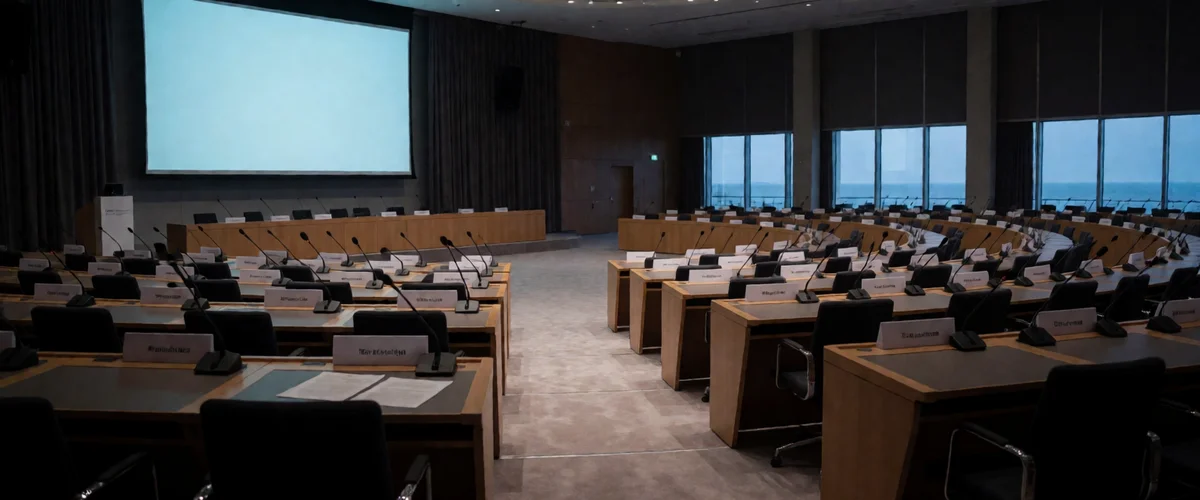
The COP31 climate conference slipped into overtime Friday as negotiators from nearly 200 countries struggled to bridge deep divisions over fossil fuels and climate finance in the final hours of the summit in Antalya, Turkey.
The biggest points of tension are whether the final agreement should mention the fossil fuels that drive global warming, and whether it should commit money to help poorer countries adapt. The draft text, known officially as the Antalya Accords, contains no reference to fossil fuels and has dropped an earlier commitment to raise adaptation finance to $120 billion a year by 2035.
“It is not acceptable to have a COP or a cover document that does not even mention fossil fuels, and we simply will not put up with it,” Panama’s environment minister, Juan Carlos Navarro, told a news conference. On Friday, a bloc of countries led by France and Panama pushed back against the draft. Island states and a group of European Union members including Spain, France, Belgium, Sweden and Finland are seeking to restore a commitment to move away from oil, gas and coal, after fossil fuel producers led by Saudi Arabia pressed for its removal.
Saudi Arabia and Venezuela both argued in speeches to the conference for a future role for fossil fuels.
The draft does, for the first time at a COP, acknowledge that the goal of holding warming below 1.5 degrees Celsius will be overshot, and it encourages faster deployment of technologies that remove greenhouse gases from the air. Several delegations attacked that language as expensive, unproven at scale and an opening for continued oil and gas development.
“It allows developed countries to continue producing oil and gas with a claim that carbon capture will fix it, while we will have a bigger role to triple renewables, which is not balanced at all,” said Bob Natifu, Uganda’s commissioner of climate change and carbon markets.
Australia’s climate minister, Chris Bowen, who presides over the negotiations, said the summit was about implementation and the shift to clean energy, while expressing hope of a deal everyone could back. Vanuatu’s climate minister, Ralph Regenvanu, said plainly: “We can see where it’s going, and it’s not going to be a high-ambition text.”
The United States is absent for a second year in a row. The Africa Group is fighting for adaptation money, saying it did not come to the COP “to beg.” Mohamed Adow of Power Shift Africa called the summit “the worst COP ever.”
A new and potentially final agreement is expected Saturday. Climate summits have regularly run more than 24 hours past their scheduled close in recent years.