Huawei Convicted of Trade-Secret Theft and Bank Fraud in New York
Seven Lights
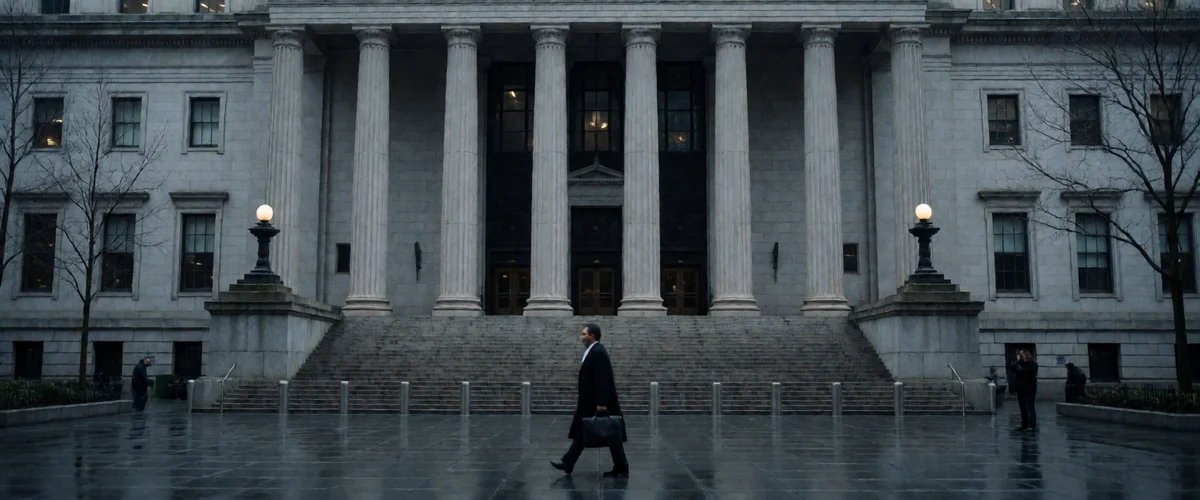
A federal jury in New York convicted Huawei Technologies on Tuesday of conspiracy to steal trade secrets and of bank fraud after a three-month trial. The Chinese telecommunications maker was found guilty on multiple criminal counts but acquitted of a racketeering conspiracy and of obstruction of justice.
The verdict closed a case first brought in 2019, when the United States announced criminal charges against the company as it grew into one of the world’s largest suppliers of wireless network equipment. Court records named Cisco Systems, Motorola Solutions, T-Mobile, Quintel USA and Fujitsu among the companies harmed.
The indictment described a long pattern of outright technology thefts. Prosecutors said Huawei once sold internet routers containing source code copied from a competitor. In another episode, a person working for Huawei slipped into a competitor’s booth at a Chicago trade show to photograph the circuits inside another company’s networking device. On another occasion, a Huawei worker removed a robotic arm from a competitor’s laboratory so it could be photographed and measured.
Prosecutor Meredith Arfa told jurors at trial that the “tone was set at the top” by Huawei leaders and executives who engaged in criminal conduct, including lying to Congress, lying to banks, violating U.S. sanctions and trying to interfere with the investigation.
Huawei’s attorney, Brian Heberlig, said in closing that prosecutors leaned on “innuendo and facts ripped out of context” and on testimony from former employees “with a bone to pick.” Speaking outside the courthouse after the verdict, he said the company would appeal the convictions but regarded the acquittal on the racketeering count as vindication, because it was “the only count that brought all of the allegations together.” He said the verdict “repudiated the central government narrative in the case,” and argued that much of the material at issue was already public. “You can’t steal a secret that isn’t a secret,” he said. Heberlig said Huawei had paid billions of dollars in licensing fees over the years, with 75 per cent of that money going to U.S. companies, and had disciplined employees found to have engaged in wrongdoing.
The company has been barred from selling equipment to U.S. carriers for years over security concerns and has been blacklisted by allies including Canada and Britain, though it sells smartphones and telecom equipment widely elsewhere and has expanded into chipmaking as an alternative in China to makers such as Nvidia. Chinese officials have called the U.S. prosecution “economic bullying” and said national security has been used as a pretext to suppress Chinese companies.
Sentence and penalties were not immediately set. The effect of the verdict on Huawei’s global business was not immediately clear.