Fed Holds Rates Steady Ahead of Midterms; Two Members Dissent for a Hike
Seven Lights
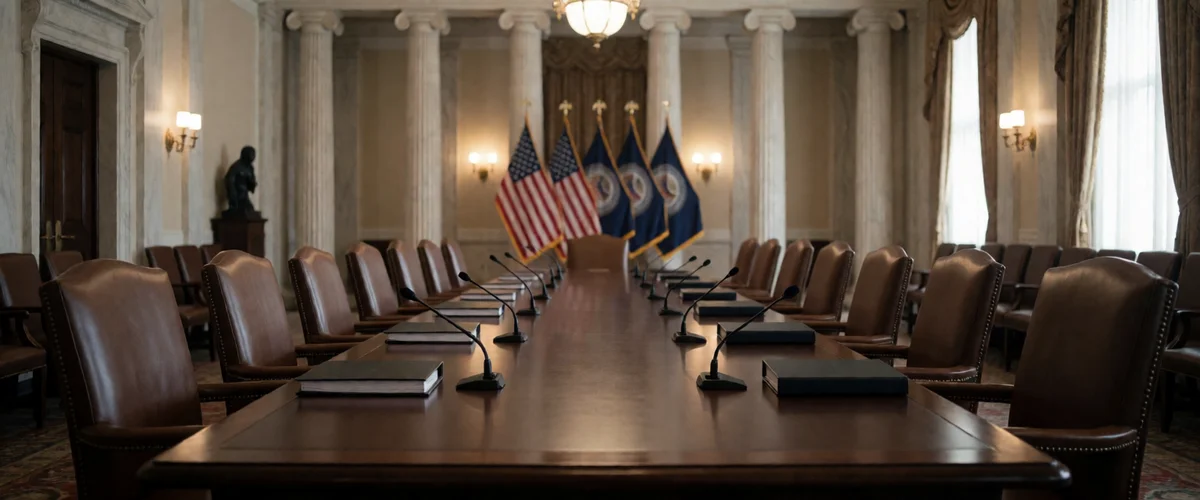
The Federal Reserve held its benchmark interest rate steady at 3.75 to 4 percent on Wednesday, a month after raising borrowing costs for the first time in three years and within a week of the midterm elections of November 3.
The decision was not unanimous. Ten of the twelve committee members voted to keep rates unchanged, while Governor Lisa Cook and Beth Hammack, president of the Cleveland Fed, voted to increase the rate to 4 to 4.25 percent. The committee’s next meeting is set for December 8 and 9.
Chair Kevin Warsh said the September increase was beginning to tell. “The overwhelming consensus, the overwhelming judgement, is that what we’ve done in this monetary medicine is starting to work some,” he told reporters. He acknowledged that inflation remained too high but pointed to tightening credit conditions as a sign the economy was moving in the right direction, and said the Fed would gather more data before acting again.
Mr. Warsh declined to say whether another rise remains possible this year, though the committee signalled in September that one more increase was on the table. “A lot of things can happen, so I’m not going to be able to share with you my musings,” he said. In its statement the Fed said inflation remains high but that the US economy has stayed resilient despite uncertainty.
Rates last stood this high in the run-up to and early months of the 2008 financial crisis. They fell to near zero afterward, rose to 5.25 to 5.5 percent from mid-2023 to August 2024 as inflation jumped, then eased steadily until September’s increase. The hold leaves the cost of mortgages, credit cards and business loans broadly unchanged for now, and savings returns where they are.
The pause settles the immediate question before voters go to the polls, but December is set to be contested: the two dissents show a bloc willing to press harder on inflation, while signs of softening in the job market could pull the committee the other way. Mr. Warsh said the coming weeks of data would leave the committee “better positioned to determine the right policy decision.”