Trump Rallies in South Carolina for Senator Darline Graham in a Race Turned Competitive
Seven Lights
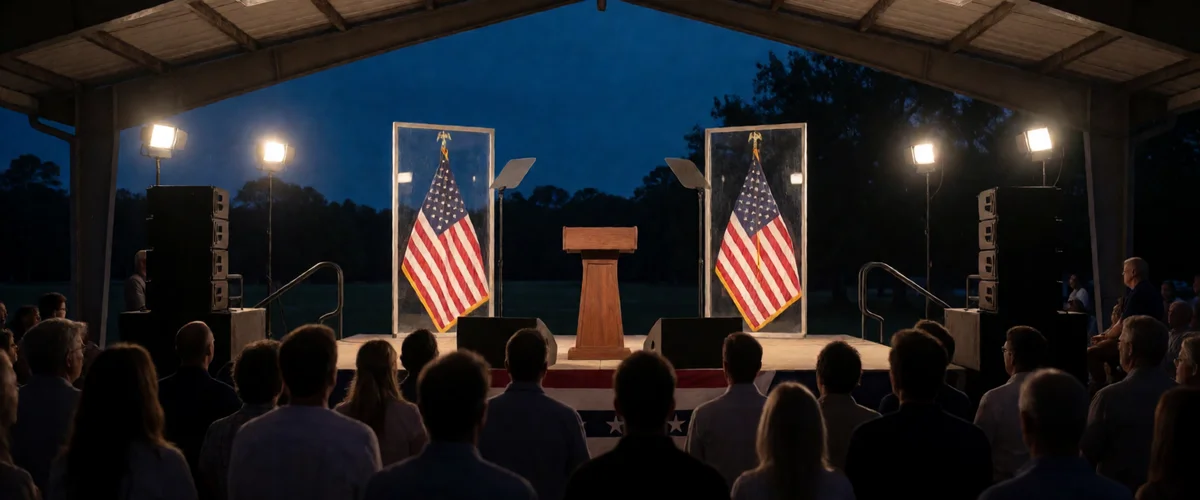
President Donald Trump rallied in Rock Hill, S.C., on Thursday, his second trip to the state in a month, to support Senator Darline Graham, a Republican facing a competitive challenge from Democrat Annie Andrews in a seat Republicans had long treated as safe. The visits measure the party’s anxiety about a race that could decide control of the Senate.
South Carolina has not sent a Democrat to the Senate in nearly three decades. Dr. Andrews, a pediatrician who previously ran unsuccessfully for Congress, has urged voters seeking change to “try something new for once,” a message that has landed in an election year defined by voter frustration with the economy, gas prices and the war in Iran. NBC News described the president’s visit as a rescue mission in deep-red territory.
The same day, the Republican National Committee announced that Mr. Trump would cancel weekend rallies in Iowa and Kansas, where he had been scheduled to appear Saturday and Sunday, and instead conduct a “72-hour sprint” of telephone rallies the party said could reach voters in nearly two dozen states. The telerallies call for remarks of about ten minutes rather than the ninety of an in-person event. Asked whether the change reflected an illness, Mr. Trump denied being sick.
Returning to the White House, the president projected confidence about next week’s election, saying, “We’re going to have a strong Tuesday night.” More than 44 million Americans had already voted as of Thursday, CBS News reported, with final pitches under way in closely watched contests.
The Graham race sits among the tightest on the map, alongside Texas, Kansas, Ohio, Iowa and Alaska, with the Mississippi Senate contest also drawing close attention from both parties. The stakes extend past the seats: the race in Washington turns on the outcome of Tuesday’s midterm elections, which could cost the Republicans control of Congress.
The telephone rallies were planned for nearly 20 states, with more possible before Tuesday. In South Carolina, the last word now belongs to an electorate that has rarely been asked to choose.