Voters rebuked data centres at the ballot, with one exception in North Dakota
Seven Lights
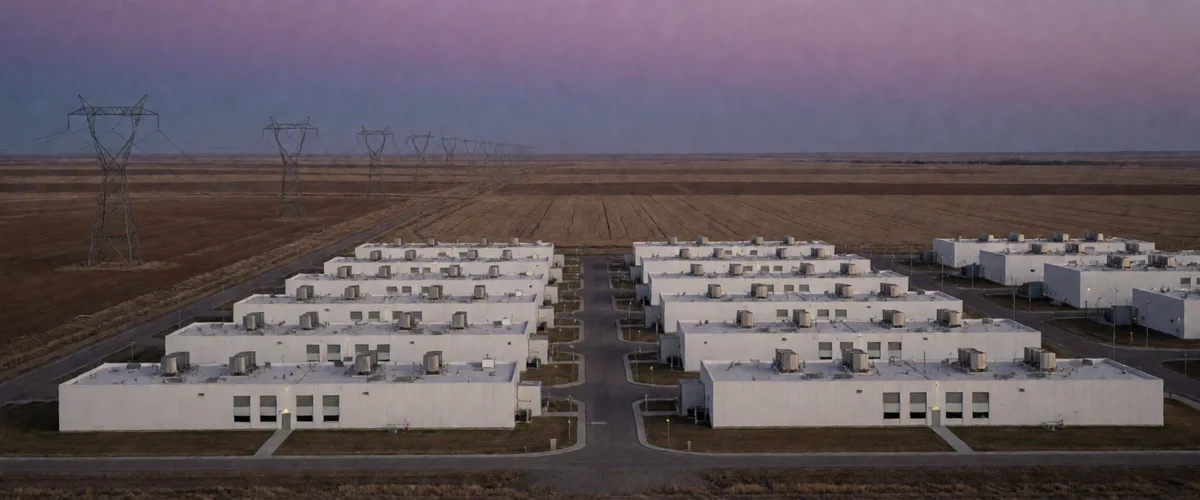
Artificial-intelligence data centres appeared on ballots across the United States in the midterm elections, and voters rejected them almost everywhere. Of 45 data-centre-related propositions nationwide on Tuesday, 44 fell on the restrictive side, according to Redbud Consulting, a ballot-tracking firm cited by Fast Company.
The exception was Harwood, North Dakota, a town of about 940 people. Residents there shot down a measure that would have given them a greater say over how large projects are constructed. Some 325 voted against the measure and 105 for it, according to the North Dakota Secretary of State’s office.
The question was immediate for Harwood. A $3 billion AI data centre equal in size to 17 football fields is under construction near the community, and the developer hopes to employ 200 people, a number equal to roughly a fifth of the town’s population. The measure would have applied to future projects meeting size thresholds. “It’s frustrating,” Mark Coolidge, a 59-year-old resident who voted for the measure, told Business Insider.
The results show the industry’s friction is constituent-level, not partisan. In eastern Kentucky’s former coal country, communities have welcomed data centres in hopes they make up for coal losses and ease electricity prices, NPR reported. Elsewhere, residents have organised against land, water and noise demands of campuses that need few workers once built.
The buildout has become a campaign issue for both parties. President Trump has thrown his administration behind the industry’s expansion, while opponents have made opposition to new sites a plank of local and state campaigns. The ballot record suggests developers face a map of willing and hostile jurisdictions rather than a national verdict.
The measures carried no binding effect on projects already permitted. Their weight is political: they instruct mayors, county commissions and state legislatures about the price of approving the next campus. Developers and utilities are expected to read the 44-to-1 split as a warning that siting consent, not capital, will decide where the next wave of construction lands.