NASA unveils X-70 Fractal, a reconfigurable X-plane for flight research
Seven Lights
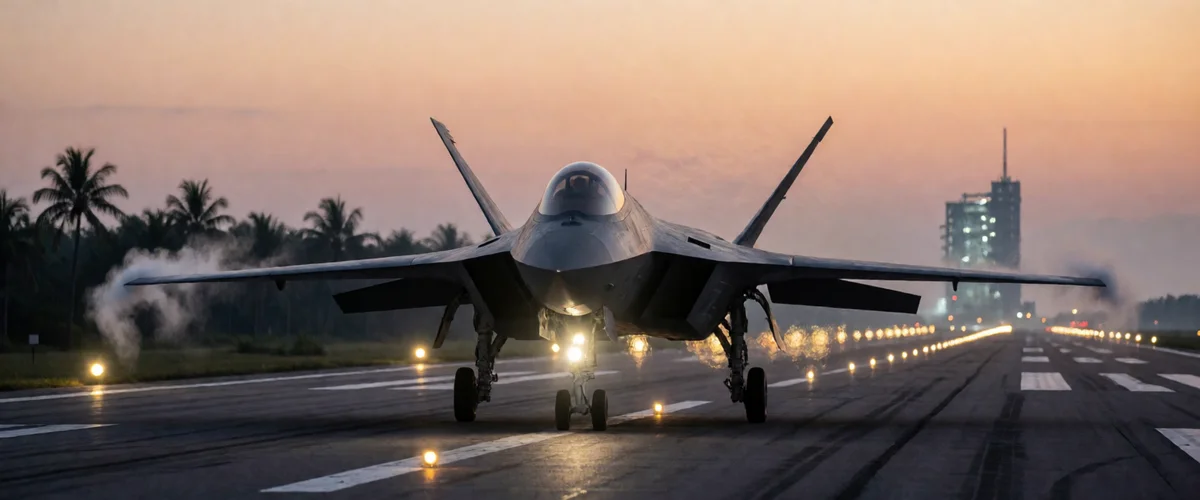
NASA unveiled its newest experimental aircraft, the X-70 Fractal, on Wednesday at the agency’s UP.Summit at Kennedy Space Center in Florida, saying the crewed jet will carry rapidly reconfigurable flight-control technology and up to 2,000 pounds of experimental payloads.
The aircraft has a takeoff weight of 10,000 pounds and is designed to cruise at Mach 0.75, reach altitudes of up to 45,000 feet and operate over ranges exceeding 1,726 miles. NASA said its modular design will let teams swap instruments in internal and external positions quickly, moving from one experiment to the next without lengthy refits. The reconfigurable flight controls are intended to let researchers explore aircraft maneuverability “in ways never before demonstrated in crewed flight.”
“We expect her first flight under the NASA banner within the next two years, and X-70 is just one part of this new beginning for aeronautics,” NASA administrator Jared Isaacman said. “This is why people come to NASA: to build, to learn, and most importantly, to fly.”
Laurie Grindle, who leads aeronautics research for the agency, said NASA had “used X-planes to develop technologies that advance aviation” for decades and called it “exciting to bring on another X-plane.” The X-70 joins a lineage that runs from the Bell X-1, which broke the sound barrier in 1947, through the X-15 hypersonic research aircraft to the X-59 quiet supersonic demonstrator now in flight testing.
Independent accounts of the announcement noted how much the agency did not say. NASA accompanied the unveiling with an AI-generated image showing only a dark, smoke-shrouded silhouette of the aircraft, and disclosed neither the builder, the final configuration, the program’s cost nor a development schedule beyond the two-year first-flight expectation. Ars Technica called the program “a big question mark,” and Space.com noted that the design and timeline remain largely unknown even as the agency pursues an expanded X-plane fleet.
The X-70 was the centerpiece of the UP.Summit, the forum at which Mr. Isaacman, a former test pilot and private astronaut, has been laying out his agenda for the agency’s aeronautics and technology programs. Whether the two-year first-flight target holds will depend on disclosures the agency has yet to make.