Trump declares the Oval Office and Cabinet Room national monuments
Seven Lights
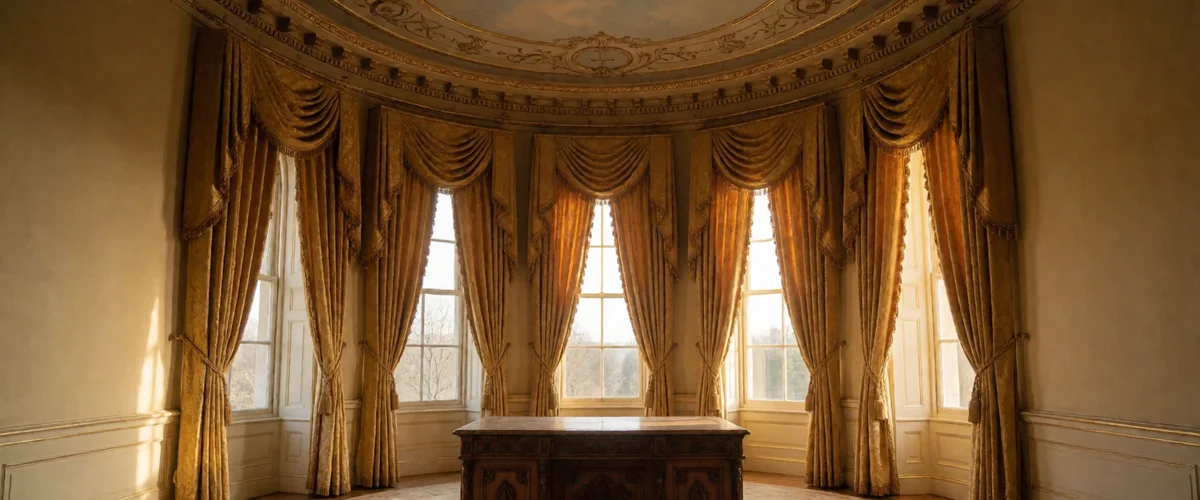
President Trump signed a proclamation Thursday declaring the Oval Office and the Cabinet Room national monuments, an act he said will keep future administrations from dismantling his redesign of the two West Wing rooms.
“I’m going to be signing a document which will make them into a landmark for the ages,” Mr. Trump told reporters from behind the Resolute Desk in the gold-furnished Oval Office. The proclamation, he said, ensures the rooms will not be “touched by anybody, destroyed, ripped down by stupid people.”
The text requires “review, consideration, and consideration of alternatives” before any action that would substantially alter or demolish the designated spaces. Mr. Trump said any major change would also require Congress to act, though no such requirement appears in the document. The Hill reported that the president noted Congress would have to ratify the proclamation.
The measure carries no clear legal bar to what it aims to prevent. It does not bind future presidents, and a successor can revoke the proclamation itself. Mr. Trump reversed national monument designations made by his predecessors during his first term. He has also already altered the White House grounds substantially, demolishing the East Wing to make room for a ballroom.
A red cap reading “VETO” sat on the Resolute Desk as he signed, a pointed reference to the new congressional arithmetic after Tuesday’s midterm elections, in which Democrats swept to power in both chambers. The Oval Office signing was the third day running in which the president, a real estate developer by background, held remarks fixated on his projects in Washington, which have also included the triumphal arch proposed near Arlington National Cemetery and work on the Lincoln Memorial Reflecting Pool.
The proclamation follows a week in which his administration pressed ahead on those projects despite the election defeat: the arch won final planning approval Thursday before a federal judge halted its construction the next morning. The status of the monument order, and whether any successor administration would honor or rescind it, now falls to the political contest the proclamation was meant to forestall.