Cop31 Climate Talks Collapse as EU and Others Reject Final Deal
Seven Lights
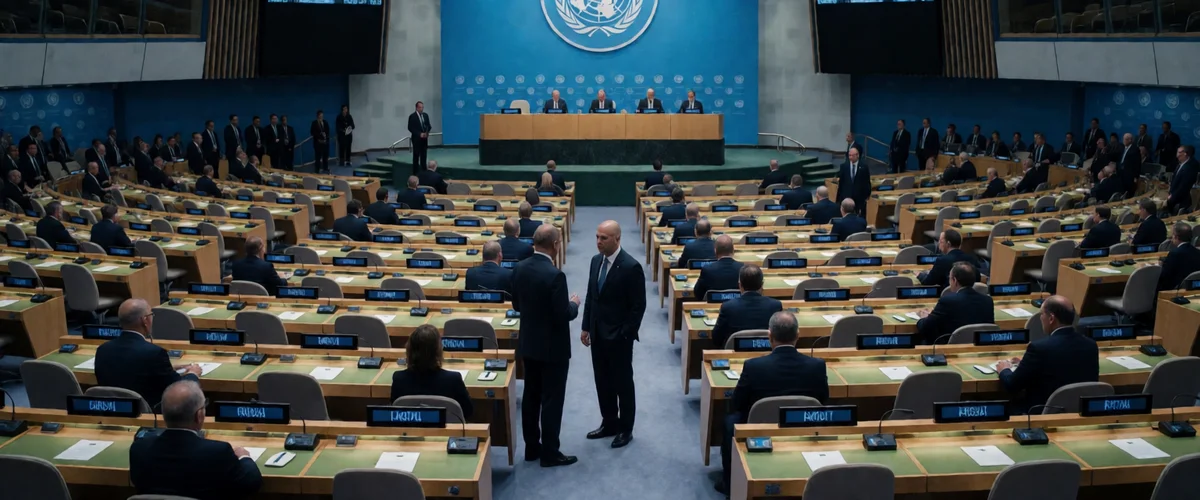
United Nations climate talks collapsed on Sunday in Antalya, Turkey, after the European Union, Britain and allies in the developing world rejected a final draft agreement put forward by the COP31 presidency of Turkey and Australia. The presidency declared the summit closed without adopting any decision, the first failure to reach consensus at a COP since Copenhagen in 2009.
More than two weeks of negotiations had spilled two days into overtime, making Cop31 the longest conference on record. The rejected text did not mention fossil fuels, which the EU and its partners called a failure to meet the moment. An EU representative accused some oil-producing states of hijacking the talks. Russia defended its opposition to any phase-out commitment and criticised the EU directly in its closing speech.
“We did all that we could,” Turkey’s conference president, Murat Kurum, told the closing plenary, saying he would not advance any new text. He left the stage while country representatives were still delivering speeches. Australia’s president of negotiations, Chris Bowen, called the outcome disappointing and pointed to disagreements over fossil fuels and climate finance as the obstacles.
The collapse leaves no cover decision and no agreed climate finance goal. Wealthy nations had committed to a goal of one hundred and twenty billion dollars a year for developing countries, a figure the talks did not renew or replace. Secretary-General Antonio Guterres said he shared the profound frustration of all those who had expected governments to rise to the moment the climate crisis demands.
Analysts note that recent summits, however fraught, have supplied signals for business investment and accompanied rapid advances in renewable power and electric vehicles. The failure to close a deal in Antalya removes that guidance at a moment when heatwaves, wildfires, floods and powerful storms have intensified and wars and economic pressures compete for government attention.
Delegates from nearly two hundred nations had entered the final weekend hoping to bridge splits between fossil fuel producers and the countries pressing for a phase-out. With the presidency refusing new text and the blocks entrenched, the meeting adjourned with no agreed outcome. Governments now carry the question of what comes next to the next conference, with the finance goal and the fossil fuel language both unresolved.
Update, November 23, 2026: Former US vice president Al Gore denounced the outcome. He called it “outrageous that a handful of petro-states have veto power over any mention of fossil fuels.” The summit was the first since the UN environment body confirmed in October that global temperatures are set to overshoot 1.5 degrees Celsius. Projections cited at the talks put existing policies on course for roughly 2.8 degrees of warming this century, against the roughly 4 degrees projected a decade earlier.