AI sell-off deepens in Asia as Nikkei falls into bear market
Seven Lights
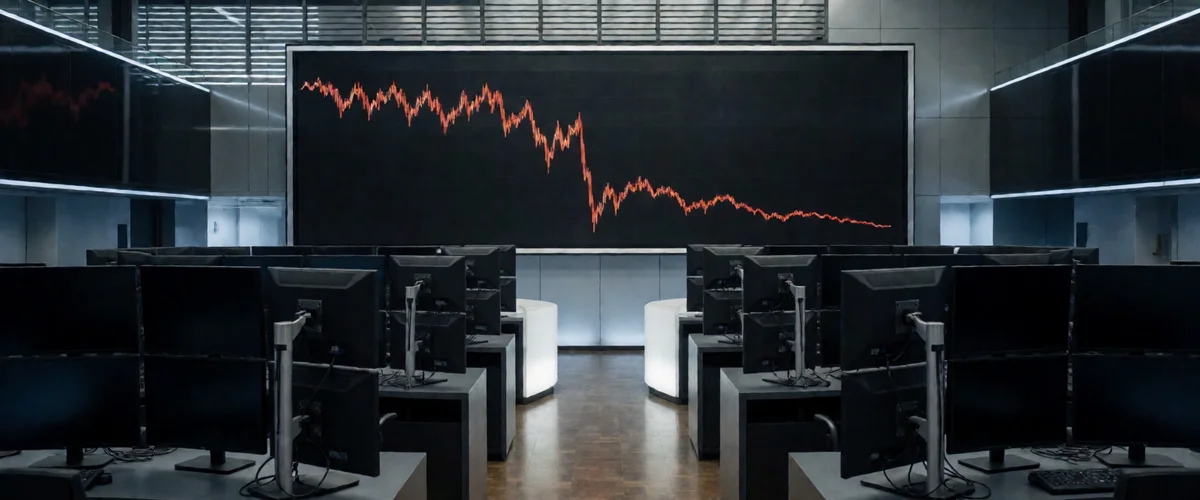
The sell-off in artificial-intelligence shares deepened Friday as it spread through Asian markets, with Japan’s benchmark index falling the most in more than a year on concern that Washington will tighten regulation of the industry after the Democrats’ decisive midterm win.
Japan’s Nikkei 225 plunged, pushing the technology-heavy index into a technical bear market, generally reckoned as a decline of 20 per cent or more from its recent peak, as investors unwound AI trades. South Korean shares fell alongside them. The selling extended a session in which Wall Street erased its post-election rally: the Nasdaq fell about 5 per cent Thursday and the S&P 500 nearly 4 per cent, with chipmakers leading the retreat.
The trigger across markets was political. Democrats took control of both chambers of Congress on Tuesday, and 41 statewide ballot measures on slowing data-center construction, most of them approved, signaled voter resistance to the industry’s buildout. Investors concluded that the regulatory and permitting environment for AI infrastructure is tightening just as the sector’s capital spending reaches record levels.
The Asian session extended the sharpest reversal of a year carried by AI. In New York on Thursday, the Nasdaq fell more than 5 per cent, dropping over 10 per cent below its record of last month and into correction territory, while the Philadelphia Semiconductor Index lost about 9.75 per cent intraday, its steepest fall since March 2020.
Institutional selling compounded the fall. The Wall Street Journal reported that hedge funds dumped positions and cut staff as the sell-off deepened. MarketWatch reported that the decline in shares linked to Elon Musk worsened, with Tesla and SpaceX combining for a $450 billion two-day wipeout in market value.
Strategists framed Friday’s slide as a repricing of the AI trade rather than a collapse of it, noting that the losses fell hardest on the most leveraged and speculative corners of the sector. The session left markets digesting whether Wednesday’s post-election rebound, the Dow’s best midterm-day rally in 44 years, was a false start.